
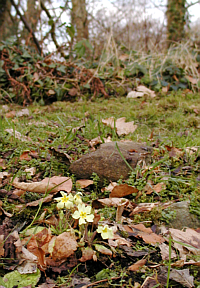
Last April I had some All Fools Day fun with a photograph of a very exotic butterfly sitting on a bunch of primroses in our garden. This was in response to a front-page story in the Independent headed ‘How the blurring of the seasons is a harbinger of climate calamity’. The article claimed that the somewhat archaic science of phenology is a reliable method of detecting dramatic changes in the climate.In Victorian times it became fashionable to keep a natural history diary in which observations of any curiosities noticed on country walks or around the garden were noted. Of course first flowering dates were recorded together with other information about plants, birds and of course the weather. As such records proliferated they were collated and analysed. From this material the science of phenology developed: the study of recurring natural phenomena such as the onset of each season of the year.
During the twentieth century interest in phenology waned although the Royal Meteorological Society collected data until 1948. The reason for this fall from favour has been explained by Philip Eden, a vice-president of the RMS:
Plants and animals are, of course, affected by the weather, but they are affected by other things too. Information collected about flowering dates, hibernation times, the arrival and departure of snow and ice, are all called ‘secondary data’ or ‘proxy data’ by climate experts.
All these secondary indicators are affected by other factors such as human intervention, genetic modification, pesticides, fertilisers, pollution, and complex interactions with other elements of a changing ecology. Some of them respond to climate change with a delay of years or even decades.
Philip Eden, A Change in the Weather, p 188-9
But with the advent of concern about global warming, phenology has been revived. Over the last few years an ecologist called Dr Tim Sparks has been responsible for numerous stories in the media about early flowering dates, mushrooms that appear when least expected, and even the extension of the grass cutting season. Most recently he forecast that the UK would have its first ‘green Christmas’ this year, with leaves still on the trees. His research has, of course, been presented as incontrovertible evidence of man-made global warming, in spite of what the Royal Meteorological Society might think, and news media like The Independent and the BBC have been very happy to report his findings in these terms.

Recent Comments